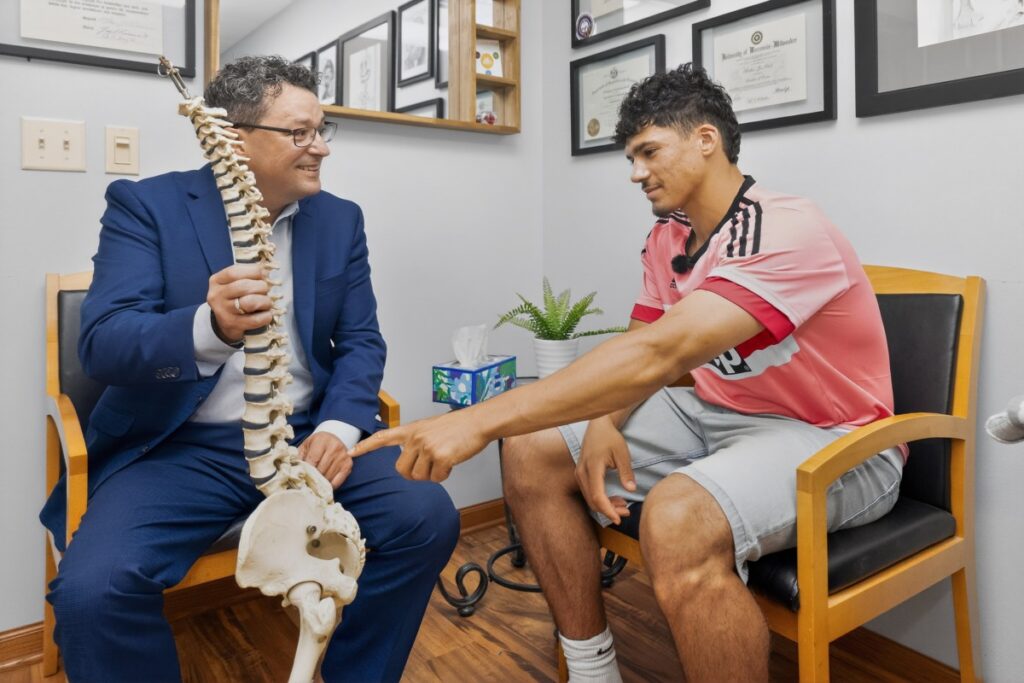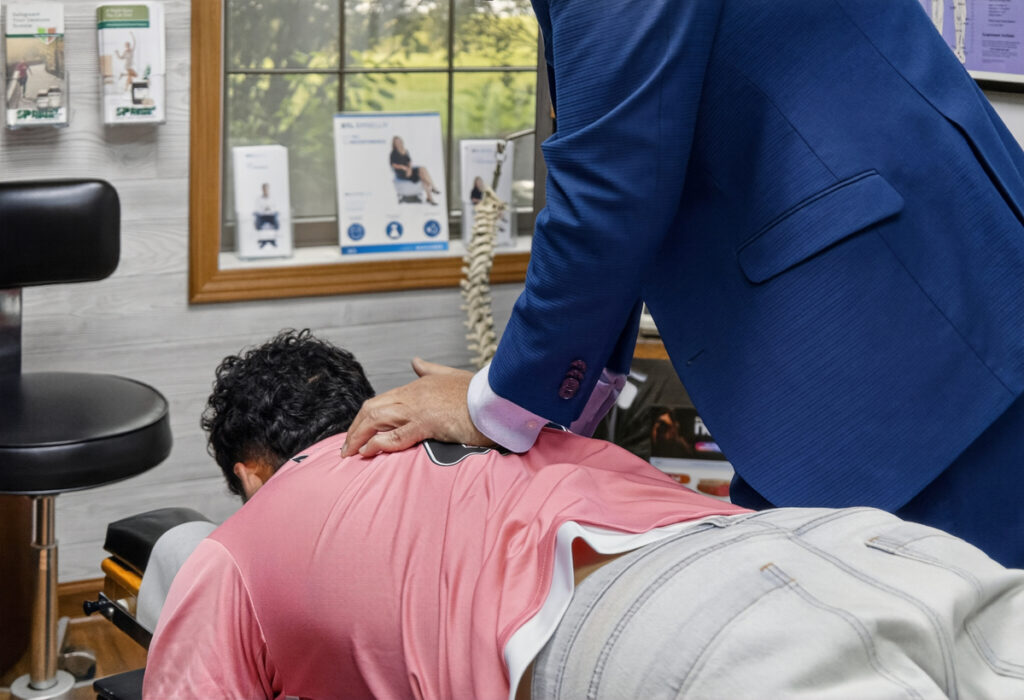


Whether you’re a weekend warrior, a high school athlete, or a seasoned competitor, your body takes a serious beating every time you step onto the field, court, or track. Back pain, tight muscles, and nagging joint discomfort are part of the athletic experience — but they don’t have to hold you back. At Pravo Wellness in Menomonee Falls, WI, we work with athletes of all levels who want to move better, recover faster, and stay in the game longer. Chiropractic care for athletes is one of the most effective, drug-free tools available for both performance enhancement and injury recovery, and more athletes than ever are making it a central part of their training routine.
What Is Chiropractic Care for Athletes?
Chiropractic care for athletes focuses on optimizing the musculoskeletal and nervous systems to support peak physical performance, reduce injury risk, and help the body recover more efficiently. It involves hands-on, non-invasive techniques — primarily spinal adjustments and soft tissue work — tailored to the unique physical demands athletes place on their bodies every day.
Why Athletes Need Chiropractic Care
Athletic training places extraordinary demands on the human body. Repetitive movements, high-impact collisions, explosive sprints, and heavy lifts all create stress that accumulates in the joints, muscles, and spine over time. Even when athletes train smartly, this wear and tear is unavoidable. The question isn’t whether your body is under stress — it’s whether you’re giving it the support it needs to keep up.
The spine is the backbone of athletic performance — quite literally. Every movement your body makes is connected to spinal function. When the vertebrae are misaligned or joints are restricted, it can affect everything from your range of motion to your reaction time. Research suggests that spinal function plays a meaningful role in how efficiently the nervous system communicates with muscles, and even small disruptions in that communication can impact coordination and power output.
Here in Menomonee Falls, WI, Dr. Grbich Full sees athletes from all disciplines — runners, cyclists, football players, volleyball athletes, weightlifters, and more — who come to Pravo Wellness because they’ve noticed their body isn’t quite performing the way it should. Sometimes there’s pain. Sometimes it’s just a sense of tightness or stiffness that won’t go away. Either way, chiropractic care offers a non-invasive path forward.
Back Pain in Athletes: Causes and Common Patterns
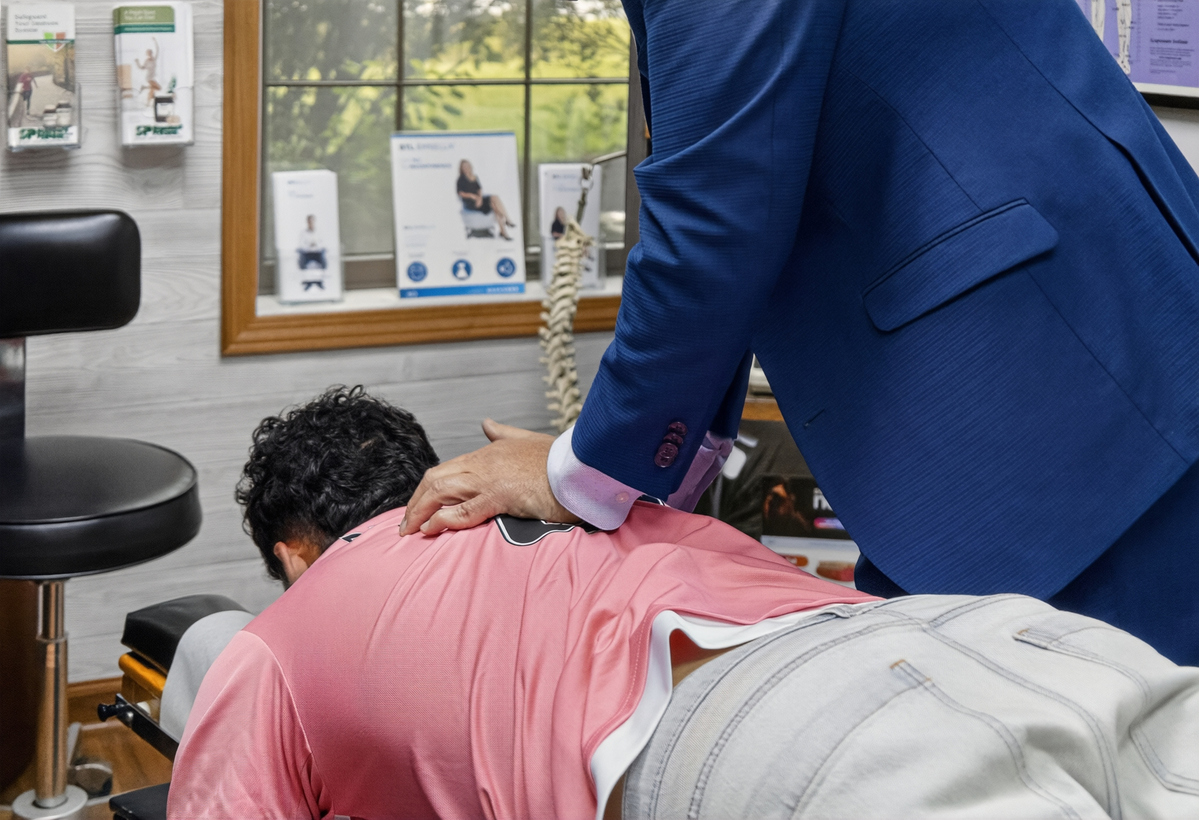
Back pain is one of the most common complaints among athletes at every level of competition. It can show up as a dull ache after a long run, sharp pain after a heavy deadlift, or chronic stiffness that never fully resolves between training sessions. Understanding what’s behind the pain is the first step toward addressing it effectively.
In athletic populations, back pain frequently stems from a combination of muscle imbalances, spinal joint dysfunction, and overuse. Athletes who train heavily in one plane of motion — think cyclists who are always hunched forward or swimmers who rotate predominantly to one side — often develop asymmetries in strength and flexibility that stress the spine unevenly. Over time, this creates joint irritation and muscle tightness that manifests as pain.
Lumbar (lower back) pain is particularly common among athletes who perform explosive movements like jumping, sprinting, or heavy lifting. The lumbar spine absorbs enormous forces during these activities, and when the supporting muscles and joints aren’t functioning optimally, the spine bears more load than it’s designed to handle. Thoracic (mid-back) pain is frequently seen in overhead athletes such as baseball pitchers and tennis players, while neck and cervical pain often affect contact sport athletes and cyclists.
It’s also worth noting that back pain in athletes is rarely caused by one single event. Most of the time, it develops gradually as the result of accumulated stress, poor movement patterns, and inadequate recovery. That’s why so many athletes find that addressing the underlying biomechanics — not just the pain itself — leads to much better long-term outcomes.
How Chiropractic Care Enhances Athletic Performance
Chiropractic care goes far beyond simply treating pain after an injury occurs. When integrated proactively into an athlete’s training regimen, it can actively support better performance, more efficient movement, and a lower risk of injury over time. Here’s how that works in practice.
Restoring Joint Mobility and Range of Motion
Joints that are restricted or stiff can subtly alter how you move, forcing other areas of the body to compensate. A runner with restricted hip mobility might unconsciously shift more demand onto the lower back. A golfer with limited thoracic rotation might overload the lumbar spine during their swing. Chiropractic adjustments are designed to restore normal joint motion, helping the body move the way it was designed to — efficiently, symmetrically, and without unnecessary strain.
Supporting Nervous System Function
The nervous system controls every muscle in your body. When spinal segments are misaligned or restricted — what chiropractors refer to as subluxations — the communication between your brain and your muscles can be disrupted. Evidence indicates that spinal manipulation may help normalize this communication, supporting better muscle activation patterns, coordination, and proprioception (your body’s sense of where it is in space). For athletes, improved proprioception can mean better balance, sharper reactions, and more precise movement mechanics.
Accelerating Recovery
Recovery is just as important as training, and chiropractic care can play a meaningful role in helping the body bounce back faster. By reducing joint restriction and addressing soft tissue tension, chiropractic treatment may help reduce inflammation, improve circulation to affected areas, and allow muscles to relax more fully between sessions. Many athletes who receive regular chiropractic care report feeling less stiff and more recovered going into their next workout — though individual results will always vary.
Addressing the Root Cause, Not Just the Symptom
One of the most valuable aspects of chiropractic care is the emphasis on finding and treating the underlying cause of a problem rather than masking symptoms. At Pravo Wellness, Dr. Grbich Full takes time to assess how each athlete moves, identify any asymmetries or dysfunctional patterns, and build a care plan that addresses those specific needs. This approach tends to produce more lasting results than simply treating the area where pain is felt.
How Chiropractic Care Fits Into Your Training Plan
A common misconception is that athletes should only see a chiropractor when something is wrong. In reality, chiropractic care is most effective when it’s integrated as a regular part of your overall wellness and performance strategy — much like strength training, stretching, or nutrition.
Many professional sports teams now include chiropractors on their medical staff, recognizing that consistent spinal care helps keep athletes in peak condition across a long and demanding season. While most of us aren’t competing at that level, the same principle applies. Regular check-ins with a chiropractor can help catch small problems before they become significant ones, keep your joints and soft tissues in good working order, and ensure your body is recovering adequately between bouts of intense training.
At Pravo Wellness in Menomonee Falls, care is designed to flex with your schedule and your goals. Whether you’re in season, in the middle of a training block, or coming back from time off, Dr. Grbich Full can adjust the approach accordingly. The goal is always to support you in doing what you love — safely and at your best.
Practical Tips for Athletes to Protect Their Spine
Chiropractic care is most effective when paired with good daily habits. There are several things athletes can do on their own to protect their spinal health and support the work done in the office.
Prioritizing proper warm-up and cool-down routines is one of the most impactful things you can do for your back. Cold, stiff muscles and joints are far more vulnerable to injury, so giving your body time to gradually increase in temperature and mobility before intense activity is essential. Similarly, cooling down with gentle movement and stretching helps the body transition out of a high-demand state and begin the recovery process more efficiently.
Pay close attention to your training load. One of the most common reasons athletes end up with back pain and overuse injuries is simply doing too much too soon. Gradual, progressive increases in volume and intensity give your body the time it needs to adapt. Rest days aren’t a sign of weakness — they’re an essential part of any well-designed training program.
Ergonomics matters even for athletes. How you sit at your desk between workouts, how you sleep, and how you carry your gear can all add up over time. Athletes who spend long hours in a hunched-forward position — staring at a phone or computer — are adding compressive stress to a spine that already gets plenty of load during training. Being mindful of your posture throughout the day is a small habit with a meaningful impact on long-term spinal health.
When to See a Chiropractor
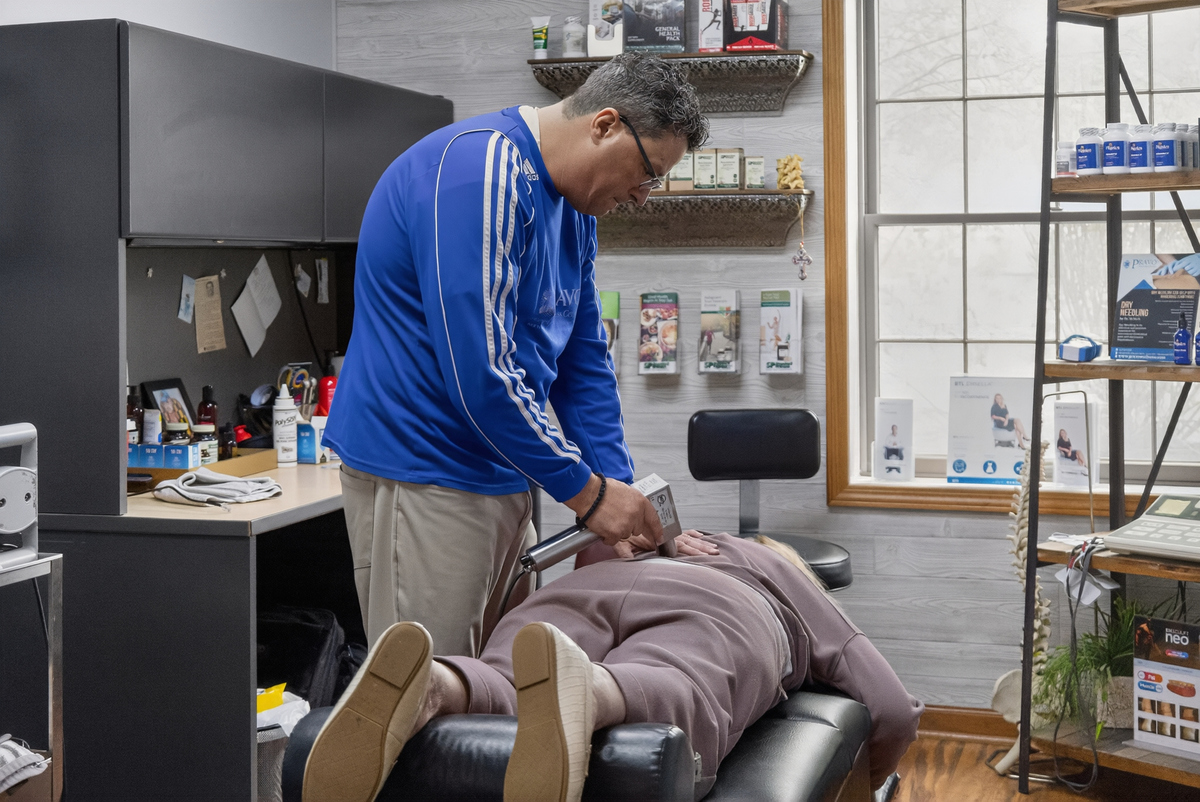
If you’re an athlete experiencing any of the following, it may be a good time to schedule a visit to Pravo Wellness: persistent back or neck pain that doesn’t resolve with rest, stiffness or limited range of motion that’s affecting your performance, recurring muscle tightness or spasms in a specific area, joint pain following training sessions, or a nagging injury that keeps returning despite your best efforts to address it.
Chiropractic care is generally very safe for healthy adults and athletes of all ages. However, it’s important to be aware of certain red flags that warrant medical attention before pursuing chiropractic treatment. These include severe or sudden onset pain following trauma, pain accompanied by numbness, tingling, or weakness in the arms or legs, loss of bladder or bowel control, or unexplained fever alongside back pain. These symptoms may indicate a more serious underlying condition that needs to be evaluated by a physician first.
For the vast majority of athletes, though, back pain and musculoskeletal discomfort are mechanical in nature — meaning they stem from how the body is moving, not from a serious pathology. That’s exactly the kind of issue chiropractic care is well-suited to address.
Back Pain Triggers vs. Contributing Factors in Athletes
Common Back Pain Trigger |
Underlying Contributing Factor |
How Chiropractic May Help |
|---|---|---|
|
Heavy lifting or deadlifts |
Poor lumbar mechanics or weak stabilizers |
Restore joint alignment, improve muscle activation patterns |
|
Long-distance running |
Hip flexor tightness, pelvis imbalance |
Adjust pelvic alignment, address soft tissue tension |
|
Overhead athletic movements |
Limited thoracic mobility, shoulder dysfunction |
Improve thoracic and rib joint mobility |
|
Cycling |
Prolonged flexed posture, hip imbalance |
Address lumbar and cervical joint restriction |
|
Contact sport collisions |
Acute joint restriction, muscle guarding |
Reduce restriction, support natural recovery process |
|
Inadequate recovery between sessions |
Chronic muscle tension, overuse inflammation |
Soft tissue work, spinal adjustments to support recovery |
Myths vs. Facts About Chiropractic and Athletic Performance
Myth: Chiropractic care is only for people who are injured.
Fact: While chiropractic care is absolutely effective for treating injuries and pain, many athletes use it proactively to maintain joint health, optimize movement, and prevent injuries before they occur. Think of it less like emergency care and more like routine maintenance for a high-performance vehicle.
Myth: Getting adjusted will make your spine “dependent” on chiropractic care.
Fact: Chiropractic adjustments do not create dependency. The goal of care is to restore normal joint function so that your body can move and support itself more effectively on its own. Patients choose to continue with periodic care because they find it helpful — not because they’re physically required to.
Myth: Chiropractic care isn’t backed by evidence for athletes.
Fact: A growing body of research supports chiropractic care for musculoskeletal conditions, including low back pain — one of the most common complaints in athletic populations. Organizations like the American College of Physicians recommend spinal manipulation as a first-line, non-pharmacological approach to back pain. Evidence also indicates benefits for range of motion, pain reduction, and recovery support.
Myth: If you’re strong and athletic, your spine doesn’t need attention.
Fact: High levels of fitness actually increase the cumulative load placed on the spine and joints. Strength helps protect the spine, but it doesn’t prevent joint restriction, misalignment, or overuse patterns. In fact, athletes often benefit more from regular chiropractic care precisely because their bodies are under greater physical demand.
Myth: Chiropractic adjustments are painful and risky for athletes.
Fact: For most athletes, chiropractic adjustments are comfortable and well-tolerated. Mild soreness after a first adjustment is possible — similar to how muscles feel after a new workout — but significant discomfort is uncommon. Dr. Grbich Full tailors the approach to each individual, using techniques that are appropriate for the athlete’s specific condition and comfort level.
Final Thoughts from Pravo Wellness
Athletes in Menomonee Falls, WI, and the surrounding communities work incredibly hard to reach their goals. Whether you’re training for your first 5K, competing in a local league, or pushing your limits in the weight room, your body deserves the same level of care and attention that you pour into your performance.
At Pravo Wellness, Dr. Grbich Full is passionate about helping athletes move well, recover fully, and stay active for the long haul. Chiropractic care for athletes isn’t about quick fixes or short-term relief — it’s about understanding how your body works, addressing the root causes of pain and dysfunction, and building a foundation that supports everything you want to accomplish.
If you’ve been dealing with back pain, nagging stiffness, or performance plateaus that you just can’t seem to break through, we’d love to talk. Our team is here to support the Menomonee Falls athletic community with compassionate, evidence-informed care that fits your life and your goals. You’ve put in the work — let’s make sure your body is ready to match it.
Frequently Asked Questions
How often should an athlete see a chiropractor?
The frequency of chiropractic visits varies depending on your sport, training intensity, and whether you’re dealing with an active injury or seeking maintenance care. Some athletes benefit from weekly visits during heavy training periods, while others find that once or twice a month is sufficient for general upkeep. Dr. Grbich Full will work with you to determine a schedule that makes sense for your specific needs and goals.
Can chiropractic care help with sports injuries like sprains and strains?
Chiropractic care can be a valuable part of managing many sports-related musculoskeletal injuries, including those involving the joints and soft tissues of the spine and extremities. It is most appropriate for mechanical injuries — those involving muscles, tendons, ligaments, and joints — rather than acute trauma like fractures. An evaluation will help determine whether chiropractic is appropriate for your specific injury.
Is chiropractic care safe for young athletes?
Yes, chiropractic care is generally considered safe for young athletes when provided by a qualified practitioner who adjusts their techniques appropriately for a younger body. Many adolescent and teen athletes benefit from chiropractic care, particularly as they navigate growth-related changes in their bodies alongside demanding training schedules.
Will chiropractic care actually make me faster or stronger?
Chiropractic care isn’t a direct performance supplement like strength training or sports nutrition. However, by improving joint mobility, reducing pain, enhancing nervous system function, and supporting better movement mechanics, it can help remove physical barriers that may be limiting your performance. The result for many athletes is that they feel freer, more fluid, and more capable in their sport.
What should I expect at my first chiropractic visit at Pravo Wellness?
Your first visit with Dr. Grbich Full at Pravo Wellness in Menomonee Falls will typically include a thorough health history, a discussion of your athletic background and goals, and a physical assessment of your posture, movement, and spinal function. From there, a personalized care plan is developed. Many patients receive their first adjustment during the initial visit.
Can I continue training while receiving chiropractic care?
In most cases, yes — athletes don’t need to stop training to receive chiropractic care. In fact, continuing to move and train appropriately is often encouraged as part of the recovery and performance process. Dr. Grbich Full may offer guidance on modifying your training temporarily if a specific condition warrants it, but the goal is always to keep you as active as possible.
TL;DR
-
Chiropractic care for athletes focuses on restoring joint mobility, supporting nervous system function, and helping the body recover more efficiently — not just treating pain after the fact.
-
Back pain in athletes is usually mechanical and related to movement imbalances, overuse, and accumulated stress — all of which chiropractic is well-suited to address.
-
Regular chiropractic care can be used proactively to support performance and reduce injury risk, not only reactively when something goes wrong.
-
At Pravo Wellness in Menomonee Falls, WI, Dr. Grbich Full provides individualized, evidence-informed care tailored to the demands of each athlete’s sport and goals.
-
Chiropractic care is safe, non-invasive, and works best when combined with good training habits, proper recovery, and attention to everyday posture and ergonomics.