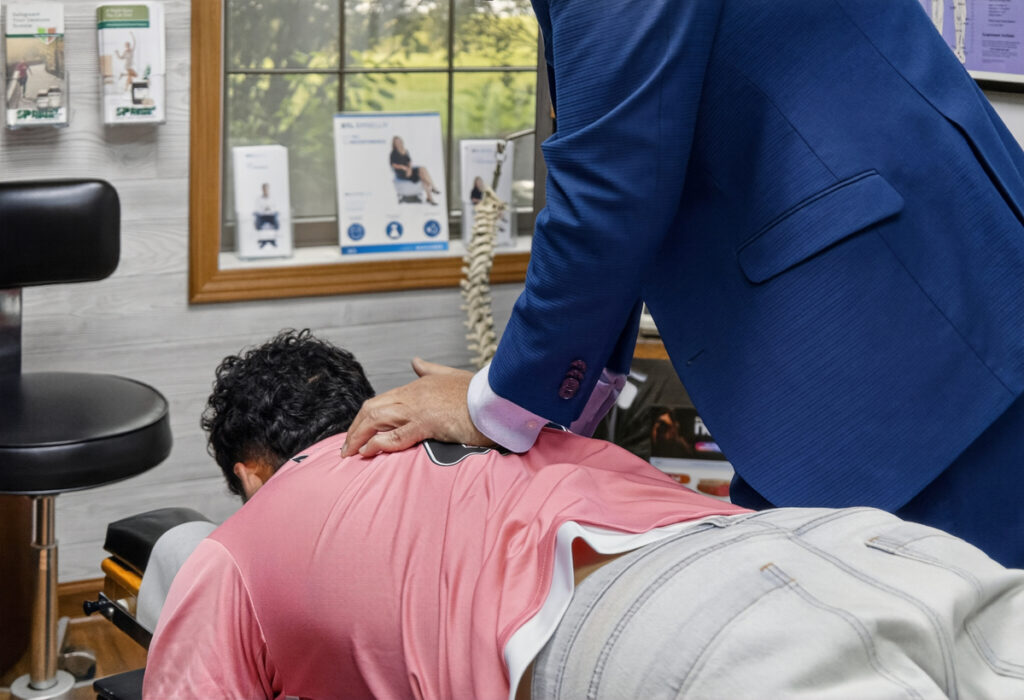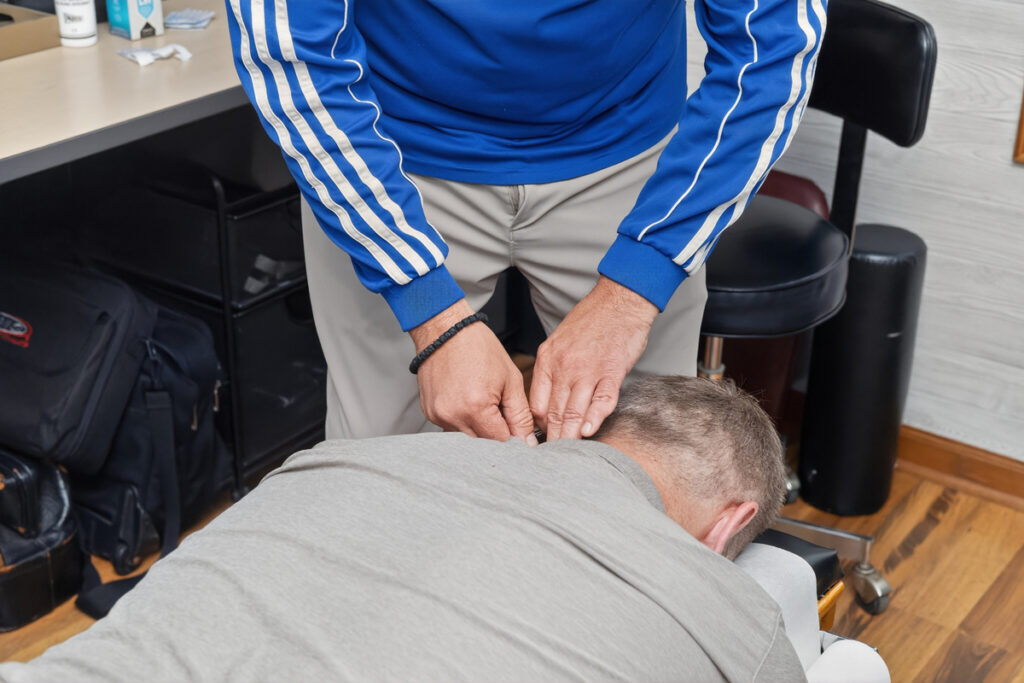


Most of us have heard the advice: exercise more, move more, live better. And while that’s absolutely true, there’s a piece of the puzzle that often gets overlooked — what you do with the other 20-plus hours of your day when you’re not working out. Here in Menomonee Falls, WI, Dr. Matthew Grbich and the team at Pravo Wellness & Associates see it regularly: people who hit the gym consistently but still struggle with chronic back pain, tight hips, stiff necks, and low energy. The reason often isn’t their workout routine. It’s how much they sit.
Sitting less might actually matter more for your long-term health than squeezing in one more workout per week. That’s not a knock on exercise. Exercise is vital, but prolonged, uninterrupted sitting creates a kind of physiological stress on your body that a 45-minute workout simply can’t undo. Understanding why this happens, and what you can do about it, could genuinely change the way you think about your day.
What does “sitting too much” actually mean?
Prolonged sitting refers to remaining in a seated position for extended, uninterrupted periods, typically defined as more than 30 to 60 minutes at a time. It’s not about sitting itself being harmful. The human body can absolutely tolerate sitting. The issue is continuous, static sitting without movement breaks, combined with poor posture and low overall daily movement outside of dedicated exercise sessions.
The Sedentary Paradox: Why Exercise Alone Isn’t Enough
There’s a term in health research called the “active couch potato,” someone who exercises regularly but spends the majority of their waking hours sitting. Research suggests that even among people who meet recommended physical activity guidelines, high amounts of sedentary time are independently associated with poorer health outcomes. In other words, your morning run doesn’t give your body a free pass to sit for the next nine hours.
Think about a typical weekday. You wake up, commute to work (sitting), sit at a desk for several hours, eat lunch (sitting), return to the desk, commute home (sitting again), eat dinner, and relax on the couch before bed. Even with a gym visit squeezed in, the cumulative hours spent in a chair add up fast, often to eight, ten, or even twelve hours per day.
The body was designed for movement. Our ancestors walked, squatted, climbed, and carried things throughout the entire day. That constant, low-grade activity kept muscles engaged, joints lubricated, and circulation flowing. When we remove that baseline movement and replace it with long, static sitting sessions, the body adapts — and not in ways that serve us well over time.
What makes this particularly important from a musculoskeletal standpoint is that sitting creates sustained compression and postural strain on specific structures: the lumbar discs, the hip flexors, the posterior chain muscles, and the cervical spine. These structures don’t get a meaningful break from a 30-minute workout if the other 23.5 hours are largely sedentary.
What Prolonged Sitting Does to Your Spine and Muscles
Your spine has a natural S-shaped curve when you’re standing. When you sit, especially for long periods without support or awareness, that curve tends to flatten out or even reverse in the lower back. This places significantly increased pressure on the lumbar intervertebral discs compared to standing.
Over time, this sustained pressure can contribute to disc irritation, muscle imbalances, and joint dysfunction. The hip flexors (the muscles that connect your thigh to your lower spine) shorten and tighten when held in a flexed position for hours at a time. When you stand up, those tight hip flexors pull the pelvis forward, increasing stress on the lower back and reducing the gluteal muscles’ ability to fire properly. This is one of the most common patterns Dr. Matthew Grbich evaluates when patients at Pravo Wellness & Associates come in with chronic low back pain.
The upper body doesn’t escape unscathed either. As the head drifts forward during desk work — what’s commonly called “tech neck” or forward head posture — the weight your cervical spine must support increases dramatically. The muscles at the back of the neck and upper shoulders become chronically overworked and tense. The chest muscles shorten. The thoracic spine stiffens. What starts as a postural habit becomes a structural pattern that creates pain, headaches, and limited range of motion.
Circulation also takes a hit. Blood pools in the lower extremities during prolonged sitting, and the lymphatic system, which depends on muscle movement to circulate, slows down. You may notice your legs feel heavy, your feet swell, or your energy drops in the afternoon. These are signals that your body needs more movement woven into your day, not just bookended around it.
Common Reasons We Sit So Much — and Don’t Realize It
Most people genuinely don’t realize how much they sit. Our modern environment is built for sitting. Office jobs, remote work, long commutes, streaming services, and smartphone use have all contributed to a culture where sitting is the default resting position for nearly every waking activity.
Here in Menomonee Falls and across the surrounding communities, Dr. Matthew Grbich often hears from patients who think they’re fairly active, but when they really reflect on their daily routines, the sitting hours far outweigh the moving hours. It’s not a personal failing, but the natural result of how our workplaces and routines have been structured.
Even activities that feel passive, like watching TV, scrolling through a phone, and reading, are almost universally done sitting or reclining. And while none of these things are harmful in moderation, the cumulative effect of stringing them together creates a day with very little postural variety or muscle activation outside of exercise sessions.
Remote work has made this significantly worse for many people. When you work from home, you often lose even the small movement habits built into commuting, like walking to the car, walking into an office, moving between meeting rooms. Those micro-movements matter more than most people appreciate.
How Chiropractic Care Fits Into a Less-Sedentary Life
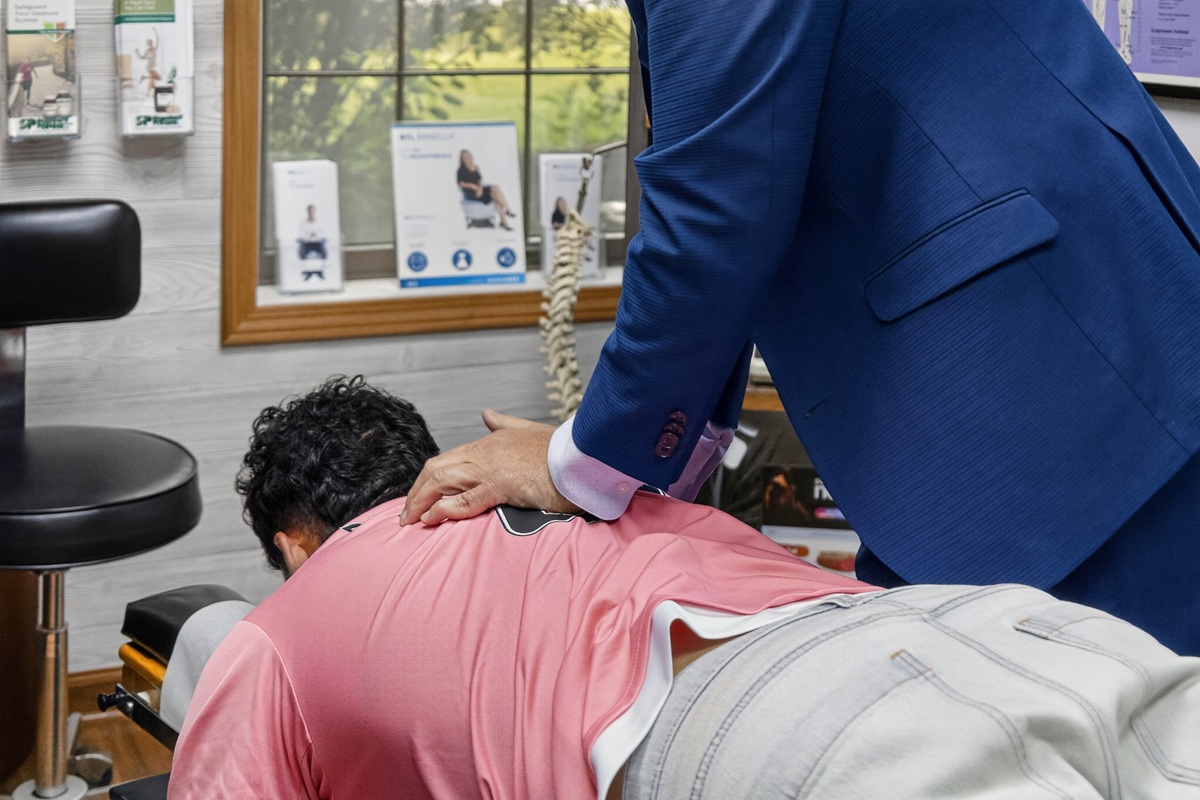
Chiropractic care at Pravo Wellness & Associates isn’t just about adjusting the spine when something hurts. It’s about helping the body move better, maintain better alignment, and recover from the patterns of stress that modern life creates, including the effects of prolonged sitting.
When Dr. Matthew Grbich evaluates a patient dealing with sitting-related complaints, he looks at the whole picture: spinal alignment, joint mobility, postural habits, muscle imbalances, and daily movement patterns. Chiropractic adjustments can help restore motion to restricted spinal joints, reduce tension in overworked muscles, and improve the biomechanical foundation your body relies on for pain-free movement.
Soft tissue work, targeted exercises, and postural coaching often complement spinal adjustments as part of a comprehensive approach. The goal is never just to get you out of pain in the short term. It’s to help you understand why the pain developed and what changes in your daily habits can help prevent it from coming back.
Evidence from organizations like the American Chiropractic Association and guidelines from the National Institutes of Health support chiropractic care as a non-invasive, drug-free option for musculoskeletal complaints, including those driven by sedentary behaviors and postural strain. It’s not a replacement for medical care when medical care is needed, but for the kinds of structural and functional issues that prolonged sitting creates, it’s often a very appropriate first step.
Practical Tips to Sit Less Throughout Your Day
The goal here isn’t to completely eliminate sitting. It’s to break it up and reduce its uninterrupted duration. Small, consistent changes tend to be far more sustainable than dramatic overhauls. Here are some of the most practical strategies Dr. Matthew Grbich recommends to patients at Pravo Wellness & Associates in Menomonee Falls, WI.
Start by setting a movement timer. Every 30 to 45 minutes, stand up and move for at least two to three minutes. It doesn’t need to be a workout. It can be walking to get water, doing a few shoulder rolls, or simply standing and shifting your weight all count. The goal is to interrupt the sustained static load on your spine and joints.
Consider your workstation setup carefully. A monitor that’s too low encourages your head to drop forward. A chair that’s too deep pushes your lower back away from its natural curve. Small ergonomic adjustments, such as raising your screen to eye level, supporting your lumbar curve, keeping your feet flat on the floor, can meaningfully reduce the physical strain of the hours you do spend sitting.
Walk whenever you can as a default. Take phone calls standing or walking. Park farther from the entrance. Take the stairs. These aren’t tips you haven’t heard before, but they bear repeating because they work — not by replacing exercise, but by adding that baseline of movement that the modern world has stripped away from daily life.
When to See a Chiropractor About Sitting-Related Pain
If you’ve been dealing with persistent lower back stiffness, neck pain, shoulder tension, or hip tightness, it may be worth scheduling an evaluation especially if these symptoms tend to worsen after long periods of sitting. These are some of the most common presentations Dr. Matthew Grbich sees at Pravo Wellness & Associates, and they often respond very well to conservative chiropractic care.
You don’t need to be in severe pain to benefit from a chiropractic evaluation. In fact, catching postural dysfunction and joint restriction early before it becomes a chronic, entrenched problem is one of the best things you can do for your long-term musculoskeletal health. Many patients are surprised to learn just how much dysfunction has quietly accumulated before they ever feel significant pain.
That said, certain symptoms warrant prompt medical attention rather than a chiropractic visit as the first step. If you experience numbness or tingling that radiates down one or both legs, significant weakness in the legs or feet, loss of bladder or bowel control, or pain following a trauma, please seek medical evaluation right away. These can be signs of more serious underlying conditions that need to be ruled out before conservative care begins.
Sitting-Related Complaint |
Common Contributing Factor |
Chiropractic Approach |
|---|---|---|
|
Lower back stiffness/pain |
Lumbar flexion stress, hip flexor tightness, disc loading |
Spinal adjustment, hip flexor release, lumbar mobility work |
|
Neck pain / headaches |
Forward head posture, upper trap overactivation |
Cervical adjustment, postural retraining, soft tissue work |
|
Upper back tightness |
Thoracic kyphosis, rounded shoulders, chest tightness |
Thoracic mobilization, scapular muscle activation |
|
Hip stiffness |
Prolonged hip flexion, glute inhibition |
Hip joint assessment, mobility exercises, gluteal activation |
|
Foot/leg swelling or heaviness |
Reduced circulation from static sitting |
Movement prescription, postural evaluation, referral if needed |
Myths vs. Facts About Sitting and Sedentary Behavior
Myth: “If I work out every day, I don’t need to worry about how much I sit.”
Fact: Research in exercise science and public health indicates that sedentary time and physical activity are independent risk factors. You can meet all physical activity recommendations and still experience the negative effects of prolonged sitting on your spine, posture, circulation, and metabolic health. Movement needs to be distributed throughout the day, not just concentrated in one session.
Myth: “Standing desks solve the problem.”
Fact: Standing desks are a helpful tool, but standing all day carries its own risks: varicose veins, foot and knee discomfort, and lower back fatigue. The goal isn’t to stand more and sit less; it’s to move more and maintain postural variety. Alternating between sitting, standing, and moving is the healthiest approach.
Myth: “Back pain from sitting is just part of getting older.”
Fact: While age is a factor in musculoskeletal health, back pain driven by sedentary behavior and poor posture is not an inevitable part of aging. It’s a biomechanical problem with biomechanical solutions. Many patients of all ages at Pravo Wellness & Associates in Menomonee Falls experience significant improvement when they address posture, movement habits, and spinal function together.
Myth: “Chiropractic care is only for people who’ve had an injury.”
Fact: Chiropractic care is appropriate for a wide range of musculoskeletal concerns, including the gradual, chronic dysfunction that develops from years of sedentary habits. You don’t need an acute injury to benefit from an evaluation or treatment. Many people use chiropractic care proactively to maintain spinal health and movement quality.
Myth: “Sitting with ‘perfect posture’ all day is the solution.”
Fact: There’s no single “perfect” sitting posture that’s safe to hold for hours at a time. The human spine needs variety and movement. Even a well-supported, ergonomically correct sitting position becomes stressful to the spine if held without a break for extended periods. Movement is always more important than any single static posture.
Final Thoughts from Pravo Wellness & Associates
Here’s the encouraging reality: this is a problem with real, practical solutions. You don’t need to completely redesign your life or quit your desk job. You just need to become more intentional about weaving movement into the hours you’re not exercising. Small changes, like a two-minute walk every 45 minutes, a slightly better-positioned monitor, or a habit of standing during phone calls, genuinely add up over time.
At Pravo Wellness & Associates in Menomonee Falls, WI, Dr. Matthew Grbich works with patients every day who are motivated to feel better and move better. Whether you’re coming in with an existing complaint or you’re simply curious about your spinal health and posture, the team here is committed to giving you honest, evidence-informed guidance that makes sense for your life and your body.
You deserve to feel good throughout the whole day, not just for the hour you spend at the gym. If sitting has been taking a toll on how you feel, consider reaching out to Pravo Wellness & Associates. It’s never too early — or too late — to start moving better.
Frequently Asked Questions
How many hours of sitting per day is considered too much?
While there isn’t a single universally agreed-upon threshold, many health guidelines suggest that sitting for more than eight hours per day without regular movement breaks is associated with greater physical discomfort and musculoskeletal strain. More importantly, any sitting that goes uninterrupted for more than 30 to 60 minutes at a stretch adds cumulative stress to the spine and supporting structures.
Can sitting too much cause sciatica?
Prolonged sitting can contribute to conditions that irritate the sciatic nerve, including piriformis tightness and lumbar disc pressure. While sitting doesn’t directly cause sciatica in all cases, it can be a significant aggravating factor. If you’re experiencing radiating pain down one leg, a chiropractic evaluation can help identify contributing factors.
Is it better to use a lumbar support cushion while sitting?
Lumbar support can help maintain a more neutral spinal curve during sitting, which reduces disc pressure and muscle strain. However, it’s most effective as part of a broader strategy that includes regular movement breaks and ergonomic setup — not as a standalone solution.
How quickly can postural changes from sitting be reversed?
The timeline varies depending on how long the patterns have been present, the individual’s age and tissue health, and consistency with corrective habits. Mild postural imbalances can begin to improve within weeks of consistent movement and care. More established patterns may take longer and often benefit from professional guidance, such as the individualized approach offered by Dr. Matthew Grbich at Pravo Wellness & Associates.
Do I need X-rays before starting chiropractic care for sitting-related pain?
Not always. Dr. Matthew Grbich will conduct a thorough history and physical examination to determine whether imaging is clinically indicated. Many cases of sitting-related musculoskeletal pain can be evaluated and managed effectively without X-rays, though imaging may be recommended depending on the clinical findings.
What’s the single most impactful change I can make to sit less?
Setting a consistent movement timer, such as standing up and briefly moving every 30 to 45 minutes, is one of the simplest and most evidence-supported behavioral changes. It doesn’t require new equipment or a major schedule overhaul, and it directly addresses the core problem of uninterrupted static sitting.
TL;DR
-
Prolonged, uninterrupted sitting creates physical stress on the spine, muscles, and circulation that regular exercise alone cannot fully offset.
-
Common sitting-related complaints — lower back pain, neck tension, hip tightness, and headaches — often stem from posture and movement patterns, not injuries.
-
Breaking up sitting every 30 to 45 minutes with brief movement is one of the most effective strategies for reducing sedentary strain throughout the day.
-
Chiropractic care at Pravo Wellness & Associates in Menomonee Falls, WI can help address the structural and functional effects of prolonged sitting, whether you’re in pain now or working to prevent future problems.
-
Dr. Matthew Grbich takes an individualized approach — combining spinal care, movement guidance, and postural education to help patients feel and function better every day, not just during workouts.